Crafting Joy: Your Ultimate Guide to DIY Crafts & Themed Activities for Fun Home Entertainment
There’s a special kind of magic in creating something with your own hands, especially when it turns a quiet afternoon into an adventure or a rainy day into a burst of color. DIY Crafts & Themed Activities offer an incredibly rewarding way to engage, entertain, and educate everyone from toddlers to teens – and even adults looking for a creative outlet. Far beyond simply keeping hands busy, these activities unlock imagination, build crucial skills, and create lasting memories without breaking the bank.
Whether you're battling school holiday boredom, seeking screen-free fun, or simply want to inject more creativity into your daily routine, this guide is your go-to resource. We'll explore a vast landscape of easy, fun, and often inexpensive craft ideas that promise smiles, learning, and plenty of delightful mess.
At a Glance: Key Takeaways for Your Crafting Journey
- Boost Creativity & Skills: Crafting helps develop fine motor skills, problem-solving abilities, and imaginative thinking.
- Budget-Friendly Fun: Many projects utilize common household items like cardboard, paper, or kitchen staples.
- Sensory & Soothing: Activities like slime or kinetic sand provide wonderful sensory input and can be calming.
- Connect with Nature: Projects like seed bombs or bug hotels foster an appreciation for the environment.
- Build & Bond: Crafting together offers valuable family time and can boost a child's confidence.
- Turn Boredom into Brilliance: A reliable antidote to "I'm bored!" syndrome, providing constructive entertainment.
Why Dive into DIY Crafts & Themed Activities? More Than Just Busy Hands
In a world increasingly dominated by screens, the tactile experience of making something by hand stands out as a powerful antidote. DIY crafts aren't just about the finished product; they're about the journey—the planning, the experimenting, the occasional frustration, and the ultimate triumph of creation.
For children, the benefits are profound:
- Fostering Creativity: Open-ended crafts encourage children to think outside the box, experiment with colors and textures, and express themselves uniquely.
- Developing Fine Motor Skills: Cutting, gluing, painting, and molding all require precise hand movements, strengthening tiny muscles essential for writing and other tasks.
- Enhancing Problem-Solving: "How do I make this tower stand?" or "Which color should I use here?" are everyday questions in crafting that build critical thinking.
- Boosting Mental Wellbeing: The focused concentration on a project can be incredibly calming, reducing stress and anxiety. The sense of accomplishment after completing a craft also builds self-esteem and confidence.
- Encouraging Sensory Exploration: From the squishiness of slime to the texture of rainbow rice, many crafts engage multiple senses, crucial for early childhood development.
- Promoting Eco-Consciousness: Upcycling materials like cardboard boxes or jam jars teaches resourcefulness and reduces waste.
- Creating Family Bonds: Crafting together provides a relaxed environment for communication, collaboration, and shared laughter, strengthening family connections.
And let's be honest, adults often find immense satisfaction in these activities too. It’s a chance to unwind, tap into forgotten childhood joys, and create something beautiful or useful.
Before You Begin: Setting Up Your Crafting Command Center
Success in crafting often starts with a little preparation. You don't need a dedicated art studio, but a few simple steps can make the experience smoother and more enjoyable for everyone.
1. Gather Your Essentials (The Starter Kit):
Think of a basic collection of versatile supplies. Many items are likely already in your home:
- Paper: Construction paper, printer paper, cardstock, old newspapers (for protection).
- Coloring Tools: Crayons, washable markers, colored pencils, tempera or acrylic paints.
- Adhesives: School glue, glue stick, masking tape or washi tape.
- Cutting Tools: Kid-safe scissors (and adult scissors for trickier cuts).
- Miscellaneous: Pipe cleaners, popsicle sticks, yarn/string, cotton balls, googly eyes, glitter (use sparingly!).
- Recyclables: Cardboard boxes, toilet paper rolls, jam jars, plastic bottles.
2. Prepare Your Space:
Crafting can be messy, and that's part of the fun! Lay down old newspapers, a disposable tablecloth, or an old sheet to protect surfaces. Have wet cloths or paper towels ready for quick clean-ups. Consider having a designated "craft bin" for easy storage and retrieval of supplies.
3. Embrace the Mess (and the Process):
Remind yourself (and your young crafters) that perfection isn't the goal. The value lies in the exploration, the experimentation, and the sheer joy of creating. Some of the best memories come from the most delightfully chaotic projects. Dress for mess, and let go of the need for everything to be "just so."
Unleashing Creativity: A World of DIY Craft Ideas
Ready to dive into a treasure trove of imaginative projects? We've categorized these ideas to help you find the perfect activity for any mood, age, or available material.
Sensory Explorations for Little Hands
These crafts engage multiple senses, providing soothing and stimulating play, particularly beneficial for younger children.
- Rainbow Rice: A vibrant and versatile sensory bin filler.
- How to: Mix rice with a few drops of food coloring and a teaspoon of vinegar in a sealed bag. Shake well, then spread on a tray to dry. Repeat for different colors. Once dry, combine for a dazzling rainbow.
- Play Idea: Use scoops, small toys, and containers for hours of imaginative sensory play.
- Slime & Fluffy Slime: The ultimate squishy, stretchy, and satisfying creation.
- Basic Slime: Made with glue, baking soda, and contact lens solution. Many online recipes guide you through exact ratios.
- Fluffy Slime: Add shaving gel to the basic recipe for a smoother, more voluminous texture. Don't forget glitter for extra sparkle!
- Kinetic Sand: Moldable, shapeable, and wonderfully squishable, offering a unique tactile experience that’s surprisingly calming for all ages. While readily available in stores, you can also find recipes for DIY versions online, often using sand, cornstarch, and dish soap.
- Fake Snow: Perfect for winter-themed play, even in summer.
- How to: Combine baking soda or corn flour with a little water until it forms a crumbly, snow-like texture. Add a drop of peppermint extract for a sensory scent!
Upcycling & Repurposing: Turning Trash into Treasure
Give new life to discarded items, teaching resourcefulness and reducing waste.
5. Cardboard Castles & Pirate Ships: Transform delivery boxes into grand structures.
- How to: Collect various-sized cardboard boxes. Cut out windows, doors, turrets, and tunnels. Use tape or glue to assemble your fortress or vessel. Decorate with paint, markers, or scraps of fabric.
- Play Idea: These become backdrops for epic imaginative play, from knightly quests to swashbuckling adventures. You can even combine this with a Frozen-themed palace for a chilly, magical touch!
- Toilet Roll Animals & Cars: Simple, effective, and endlessly adaptable.
- How to: Use empty toilet paper rolls as the base. Add ears, wings, wheels, or eyes with paper, paint, or markers to create a menagerie of creatures or a fleet of vehicles.
- Jam Jar Snow Globes: Upcycle old jars into magical miniature worlds.
- How to: Glue a small plastic toy or figurine to the inside of the jar lid. Fill the jar with water, a teaspoon of glycerin (or baby oil/clear glue) to slow the glitter fall, and plenty of glitter. Screw the lid on tightly (seal with super glue for permanence). Shake and enjoy!
- Bug Hotels: An educational project to attract friendly creepy crawlies to your garden.
- How to: Use old wooden pallets, bricks, hollow bamboo canes, or toilet paper rolls. Stack them neatly in a sheltered spot, creating nooks and crannies for insects.
Artistic Adventures: From Messy Masterpieces to Detailed Designs
Unleash the inner artist with paints, prints, and unique textures.
9. Bubble Painting Crafts: A wonderfully messy and unpredictable way to create art.
- How to: Mix paint with a little dish soap and water. Blow through a straw into the mixture to create colorful bubbles. Gently press paper onto the bubbles to capture their impression.
- Hand Print Art Ideas: Turn simple handprints into imaginative figures.
- How to: Dip hands in paint and press onto paper. Once dry, use markers to add details—fingers can become cactus spines, peacock feathers, crab legs, or tree branches.
- Puffy Paint: Create 3D, textured artwork.
- How to: Mix equal parts white glue, shaving cream, and flour. Add food coloring for vibrant hues. Paint or pipe onto paper. The paint will shrink slightly as it dries, leaving a raised, fluffy texture.
- Salt Dough Ornaments: A classic craft for all seasons.
- How to: Mix 1 cup flour, 1/2 cup salt, and 1/2 cup water to form a dough. Roll it out, cut shapes with cookie cutters, and poke a hole for hanging. Bake at a low temperature (around 250°F / 120°C) until hard, or air dry over several days. Decorate with paint, markers, or glitter.
- Painted Pebbles & Rocks: Turn ordinary stones into tiny works of art.
- How to: Collect smooth pebbles. Wash and dry them. Paint them with acrylic paints to create ladybugs, monsters, mandalas, or inspiring messages. Seal with waterproof varnish if they'll be placed outdoors. Hide them in parks for others to find, or use them as garden markers.
- Suncatchers: Simple, low-cost projects that bring rainbows indoors.
- How to: Use clear contact paper and tissue paper cut into shapes. Stick the tissue paper onto the contact paper in a design, then cover with another sheet of contact paper. Cut into a desired shape and hang in a window.
- Magic Scratch Pictures (Sgraffito): Reveal vibrant colors beneath a dark surface.
- How to: Color a sheet of paper entirely with bright crayons. Then, paint over the entire crayon layer with black tempera paint. Once the black paint is dry, use a toothpick or paperclip to scratch designs, revealing the colorful crayon layers underneath.
Nature's Classroom: Crafting with the Great Outdoors
Connect with nature, learn about ecosystems, and enjoy outdoor adventures.
17. Seed Bombs: A spring project to spread wildflowers.
- How to: Mix wildflower seeds with a bit of clay and compost, adding just enough water to form a dough. Roll into small balls and let dry. Scatter them in gardens or give as gifts to help pollinator populations.
- Fairy Garden Ideas: Encourage imaginative play outdoors or indoors.
- How to: Use a flower pot, old tire, or a patch of garden. Gather small pebbles, twigs, moss, and tiny plants. Add miniature accessories like tiny houses, benches, or swings (DIYed from twigs) to create a magical world for fairies.
- Kites: Make simple paper kites for hours of entertainment flying them outside.
- How to: Use lightweight paper, thin sticks (bamboo skewers work well), string, and tape. Many simple diamond or delta kite patterns are available online. Decorate before assembling!
- Pavement Chalk Drawings: Simple, expansive outdoor art for budding artists.
- How to: Grab a bucket of pavement chalk and let creativity flourish on porches, driveways, or patios. Draw hopscotch grids, giant animals, or fantastical landscapes.
- Nature Trail Clay Sculptures: Combine a walk with art.
- How to: Take air-dry clay (or homemade playdough) on a nature walk. Collect leaves, seed pods, twigs, and small stones. Press these natural treasures into the clay to create textured sculptures, masks, or decorative tiles.
Wearable Wonders & Thoughtful Gifts
Craft items you can wear, share, or give to loved ones.
22. Friendship Bracelets: A classic symbol of connection, teaching basic knotting.
- How to: Use embroidery floss or thin yarn. Learn simple knotting techniques like the candy stripe, chevron, or braided styles. These are great for developing dexterity and patience.
- Loom Bands: Easy to twist into jewelry and trinkets.
- How to: With thousands of colors and patterns, loom bands offer endless possibilities for creating bracelets, rings, and charms using a loom or even just your fingers.
- Shrink Plastic Handprint Keyrings / Shrinky Dinks: Magical transformation from flat to fantastic.
- How to: Trace handprints or draw designs onto shrink plastic sheets. Color them with permanent markers. Cut them out, punch a hole for a keyring, and bake according to package directions. They shrink and harden, creating a durable, personalized item. This works for any drawing, not just handprints!
- Bath Bombs: A fizzy, fragrant treat for bath time.
- How to: Mix baking soda, citric acid, cornstarch, Epsom salts, a carrier oil (like coconut or almond), essential oils for scent, and food coloring for visual appeal. Press into molds (ice cube trays or silicone molds work well) and let dry overnight.
- Pom Poms: Fluffy, versatile decorations.
- How to: Wind wool around two cardboard circles (with a hole in the middle) or a pom-pom maker. Cut the yarn around the edges, tie a string tightly through the center, and remove the cardboard. Trim to shape. Use for keychains, garlands, or as decorations.
Games, Puzzles & Imaginative Play
Craft items that lead directly into fun activities and games.
27. Marble Mazes: Upcycle old cardboard into engaging puzzles.
- How to: Use a flat piece of cardboard as the base. Cut strips of cardboard and glue them onto the base to form walls, creating a maze for a marble to navigate. Adjust complexity for different ages. (Adult supervision needed for hot glue or sharp cutting tools).
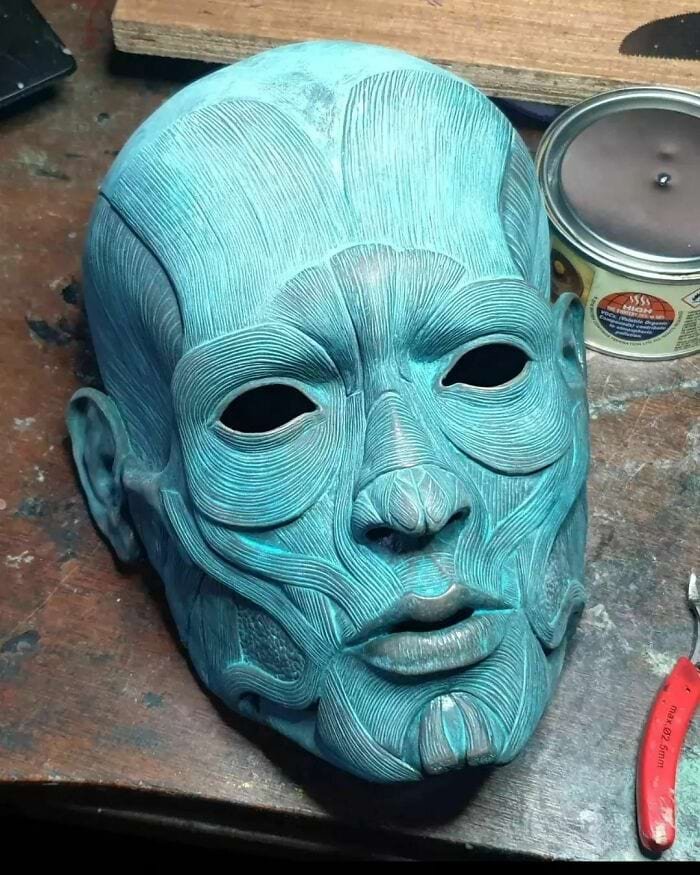
- DIY Masks: Transform cardboard or paper plates into characters.
- How to: Use paper plates or sturdy cardboard as the base. Cut eye holes. Decorate with paint, feathers, glitter, and other embellishments. Attach elastic or string to wear.
- Paper Fortune Tellers: A timeless activity requiring only a sheet of paper.
- How to: Fold a square piece of paper into the classic fortune teller shape. Write colors/numbers on the outside flaps and fortunes/questions inside.
- Washi Tape Hopscotch: Bring the classic game indoors.
- How to: Use washi tape or painter's tape to mark out an indoor hopscotch grid on carpet, wood, or tile floors. Easy to apply and remove.
- Matchbox Challenge: Miniature creative projects.
- How to: Give kids a small box (like a matchbox) and challenge them to transform it into a tiny room, a vehicle, a creature's home, or even a miniature treasure chest for a scavenger hunt.
- Kaleidoscope: A classic optical toy that creates mesmerizing patterns.
- How to: This craft requires mirror card or small mirrors, a cardboard tube, and clear plastic for the ends. Fill one end with colorful beads or sequins to create endless reflections.
- Spirolgraphs: Simple yet mesmerizing drawing activity for all ages.
- How to: Use a purchased set or DIY templates to create intricate geometric patterns with pens and interlocking gears or stencils.
Simple Paper & Basic Skill Builders
Accessible crafts that require minimal materials and introduce foundational skills.
34. Easy Origami: Simple paper folding projects.
- How to: Start with basic shapes like origami hearts, boats, or lucky stars. All you need is paper, and countless tutorials are available online.
- DIY Paper Strip Rainbows: Bright and cheerful decorations.
- How to: Cut different colored construction paper into strips. Form them into an arc, gluing the ends to a paper cloud base.
- Cute Flower Paper Fans: Simple to make and practical for hot days.
- How to: Accordion-fold a piece of paper, then fold it in half and glue the middle edges together to form a fan. Decorate with colors or patterns.
- Paper Crowns: Perfect for parties or imaginative play.
- How to: Cut strips of cardstock, decorate with glitter, stars, jewels, or markers, and staple/glue the ends to fit around a head.
- Cross Stitch on Plastic Canvas or Binca: Introduces basic stitching techniques.
- How to: Use large-holed plastic canvas or binca fabric with blunt needles and chunky yarn. This helps improve concentration and fine motor skills as children learn simple patterns.
- French Knitting: A basic, repetitive knitting technique for kids.
- How to: Use a French knitting spool (often a wooden spool with four nails) and yarn. Kids can create long "worms" of knitting that can then be stitched into spirals for placemats, coasters, or even jewelry.
- Homemade Stamps: Create custom prints the old-fashioned way.
- How to: Cut a potato in half. Carve a simple design into the cut surface (an adult may need to help with the carving). Dip the carved potato into paint and press onto paper to create repeating patterns.
- Drawing Ideas for Kids: Sometimes the simplest activity is the best.
- How to: Provide a prompt (e.g., "draw a monster with three eyes," "imagine a new planet," "design your dream treehouse"), and let their imagination and fine motor skills take over. Encourage storytelling through their art.
Themed Activity Ideas: Leveling Up Your Crafting Fun
Beyond individual crafts, consider weaving them into a larger themed activity or day. This adds another layer of immersive play and truly transforms home entertainment.
- Pirate Adventure Day: Craft a cardboard pirate ship, make a pirate eye patch and hook (from foil), draw a treasure map, and then embark on a DIY pirate treasure hunt (complete with clues and a small prize).
- Fairy Tale Forest: Build a fairy garden, create paper crowns for royalty, design magical wands with sticks and glitter, and dress up in costumes.
- Space Explorer Journey: Make toilet roll rockets, paint "moon rocks," craft a star mosaic suncatcher, and explore constellations with a homemade flashlight projector.
- Nature Explorer Camp: Set up your bug hotel, create nature trail clay sculptures after a walk, make seed bombs, and then identify local plants and animals using a DIY magnifying glass (made from a plastic bottle end and water).
- Dinosaur Dig: Create salt dough "fossils" by pressing dinosaur toys into the dough before baking, paint a prehistoric landscape, and then "excavate" toy dinosaurs buried in a sand pit.
- Under the Sea Exploration: Make handprint crabs or fish, create paper plate jellyfish, or craft sparkly suncatchers that look like shimmering ocean waves.
- Favorite Characters Come to Life: Dive into the worlds of beloved characters. For instance, creating themed crafts around a popular animated film like All about Frozen Elsa and Anna is a perfect example of how a beloved story can inspire entire themed activity sets, from crafting snowflake ornaments to designing "ice" palaces out of cardboard.
These themes provide a narrative framework, encouraging children to use their crafts as props and tools within their imaginative play, extending the fun far beyond the crafting table.
Common Questions & Crafting Confessions
Even seasoned crafters have questions. Here are some common concerns and helpful answers:
"My child says they aren't 'artistic' or 'good at crafts.' How do I encourage them?"
Shift the focus from the "perfect" outcome to the joy of the process. Emphasize effort, experimentation, and unique expression. Praise their choices, their focus, and their willingness to try, rather than just the final product. Remind them that art is about personal expression, not competition.
"Isn't it too messy? I dread the clean-up!"
Embrace a little mess as part of the fun! Prepare your space beforehand with newspaper or a plastic tablecloth. Have wet wipes and a designated "craft clothes" outfit ready. Establish clear clean-up routines—even young children can help put caps on markers or throw away paper scraps. The joy of creation often outweighs the chore of clean-up.
"What if we don't have all the materials listed for a craft?"
Improvise! That's the spirit of DIY. No googly eyes? Draw them on paper and cut them out. No pipe cleaners? Use strips of fabric or twisted paper. No specific paint color? Mix two others! Encourage children to brainstorm alternatives, which boosts their problem-solving skills. Often, the most creative solutions come from limited resources.
"How much adult help is needed for these projects?"
It varies greatly by age and the complexity of the craft.
- Young children (preschool-age): Will need more direct supervision and hands-on help with cutting, gluing, and understanding steps. Focus on sensory play and simple manipulation.
- Elementary school age: Can often follow instructions with some guidance. They might need help with trickier cuts or assembling steps but can largely work independently on decorating and ideation.
- Older children/teens: Can usually work independently, often preferring to put their own spin on ideas. Offer support and resources, but let them lead.
The key is to observe and provide assistance as needed, without taking over the project entirely.
Ready to Get Started? Your Next Crafting Adventure Awaits!
There's a boundless world of creativity waiting to be explored through DIY Crafts & Themed Activities. From the simplest paper fold to an elaborate cardboard castle, each project offers an opportunity for learning, laughter, and connection.
So, gather your supplies, pick an idea that sparks your interest, and dive in. Whether you're making a batch of fluffy slime, painting pebbles, or planning an entire pirate-themed day, remember that the most valuable thing you're crafting isn't just an object, but a memory. Happy crafting!